The Systemic Failure Behind Building Collapses in Kenya
Explore the systemic failures behind building collapses in Kenya, from weak regulatory enforcement and inadequate inspections to professional accountability and public safety.
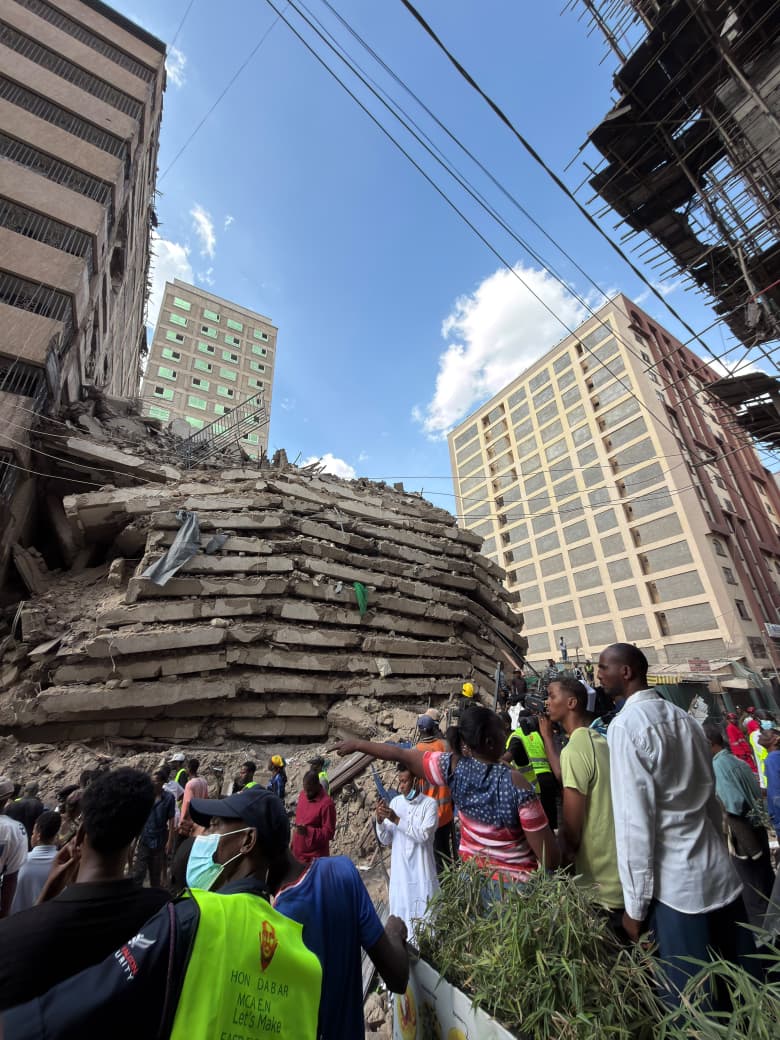
The systemic Failure Leading to the Collapse of Buildings in Kenya
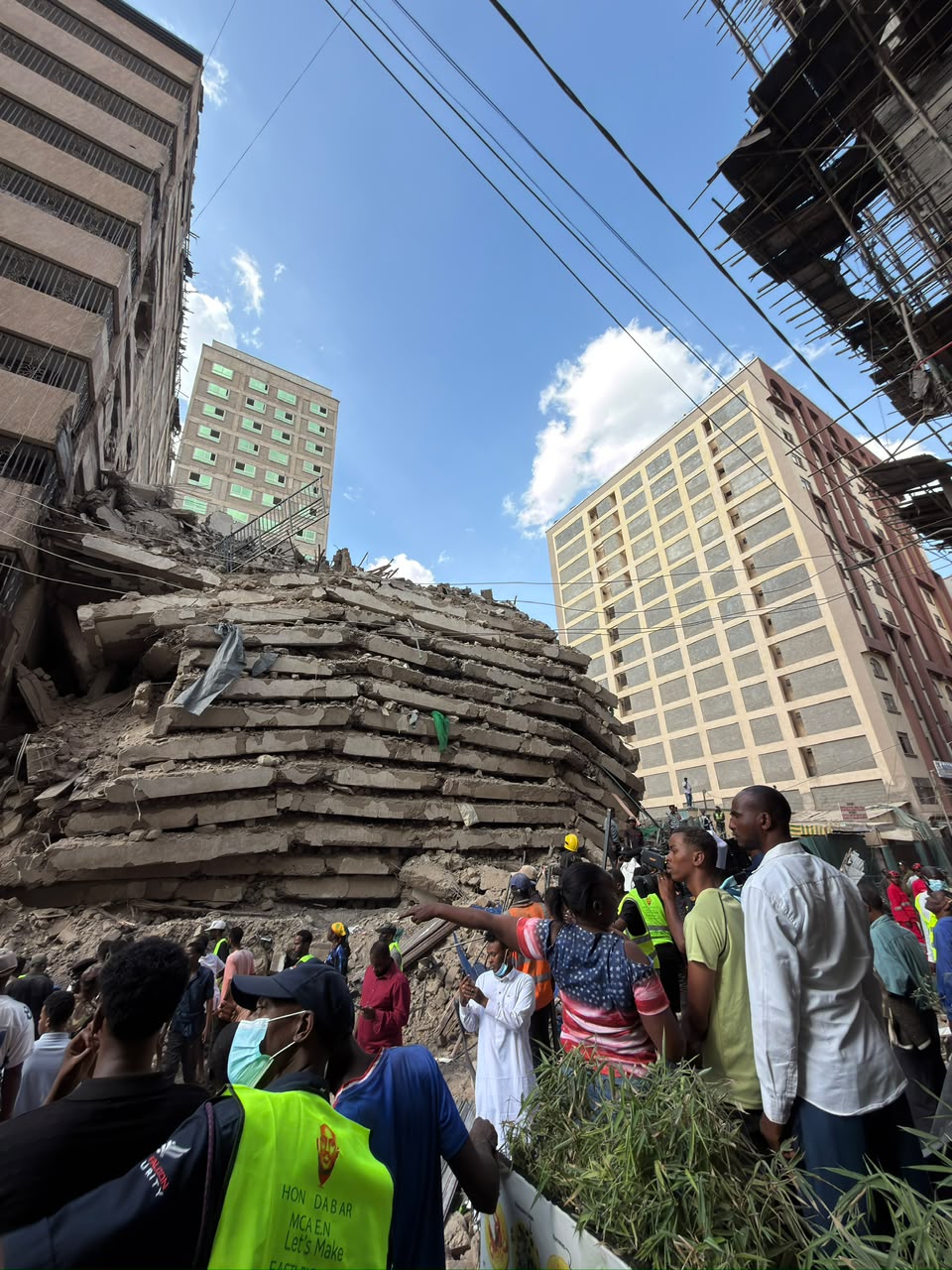
The floors of the collapsed building lie stacked on one another, with onlookers gathered in front of the site.
Background
We hear of structural failures at least monthly, especially in Nairobi. This month alone, there have been two collapses. These building collapses aren't just statistics but the loss of actual Kenyan lives.
The Client
For ongoing construction projects, we almost always see a consistent discrepancy between approvals and the engineering and procurement processes. It is expected that when an ongoing construction project suffers a structural collapse, the client is a well-connected individual. Be it a former top government official or a developer who knows the who's and who's of the city and country.
Given the developers' profile, it is evident that they know how to get their way with as little obstruction as possible. While this is good for them, it threatens public safety. Structural collapses pose a risk to those involved in the project and even to the neighbouring community, who aren't directly involved.
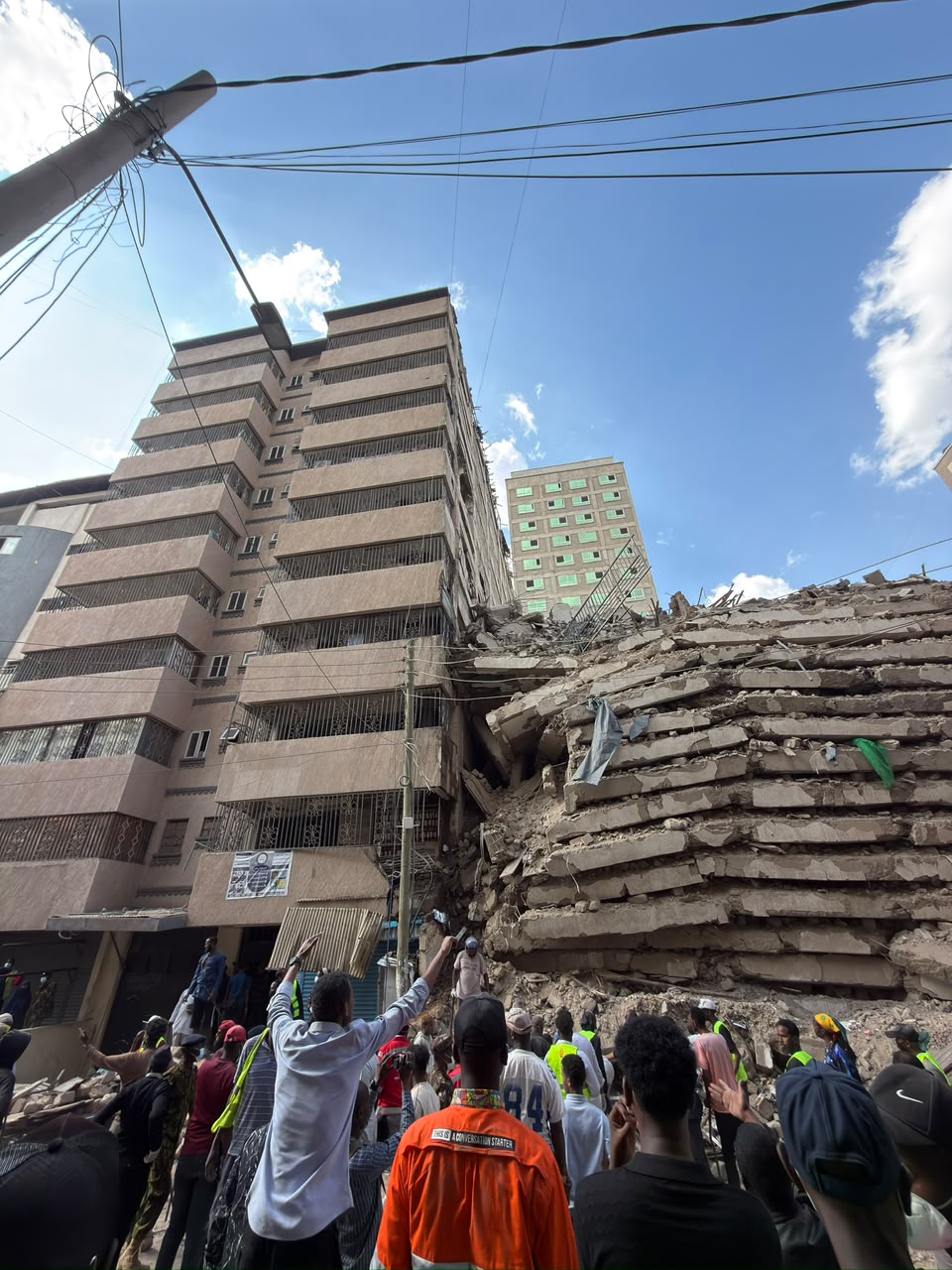
The collapse sits directly against an adjacent building, showing how close neighbouring structures and people are to the risk.
Public safety
The collapse of the multi-storey building in South C claimed the life of a watchman whose job was to ensure security services were provided. Such a person is purely collateral damage, as there is little he could have done to prevent the structural collapse. The recent structural collapse in Eastleigh has posed the greatest public safety concerns. We hope that there will be minimal casualties in the end.
Industry insights, monthly
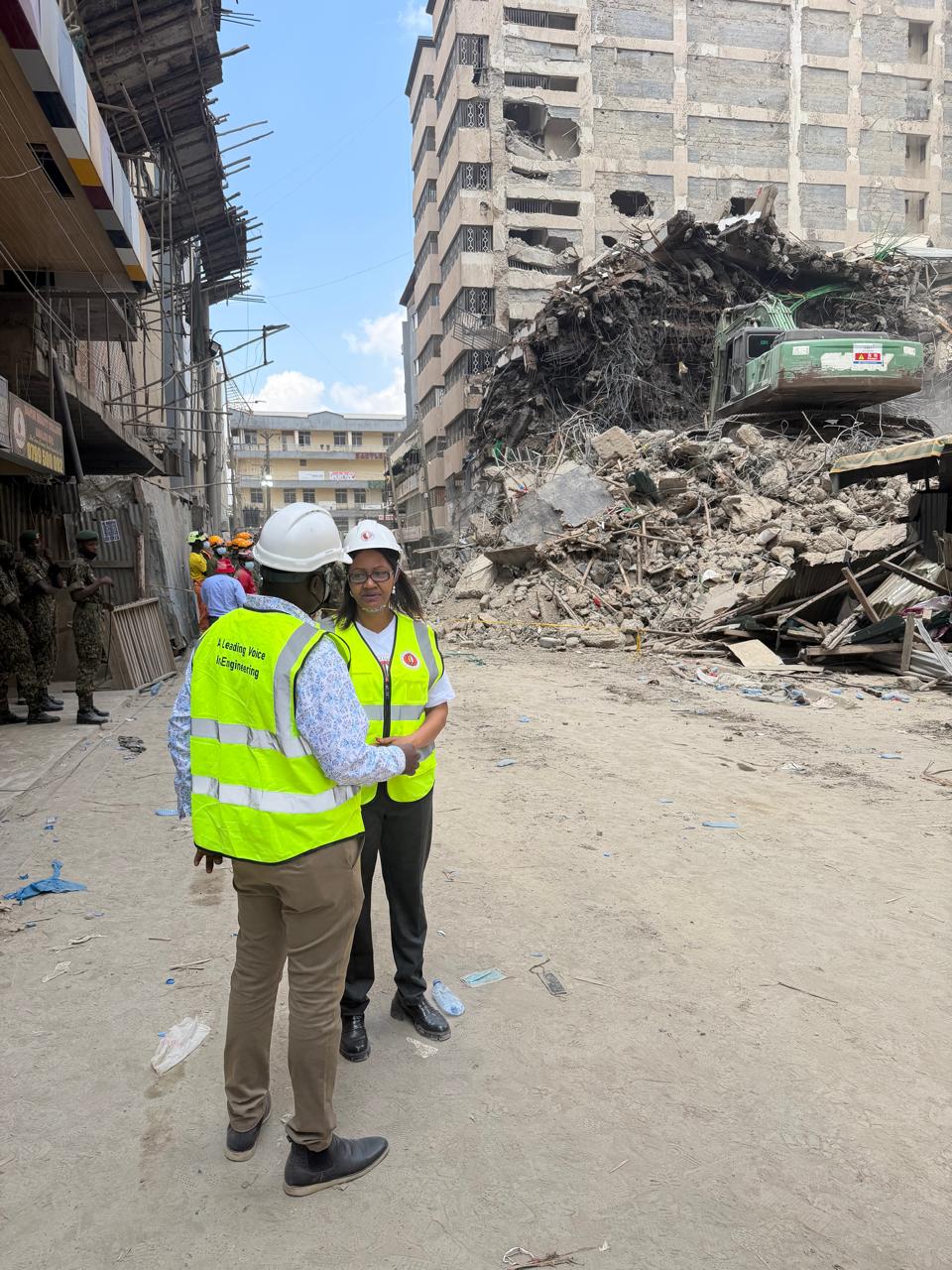
Rescue teams and heavy machinery at the debris pile, with security personnel keeping the area cordoned off.
Regulations
This points to the fact that building safety is a public concern, and that we, as the public, should demand direct governmental action to ensure building safety. Kenya has had its fair share of good regulations, in total contrast with good implementation. But for this, we have to look into the regulations first. The regulations governing the built environment currently should be improved to ensure that the government has the direct mandate to ensure building safety by:
- Improving its capacity to do relevant inspections at different stages of construction by ensuring it has enough competent staff such as engineers, architects and technicians
- Guaranteeing adequate punishments for risking public safety by developers, consultants and contractors
- Making inspections at different stages of the construction mandatory
- Giving relevant governmental agencies prosecutorial powers regarding building safety
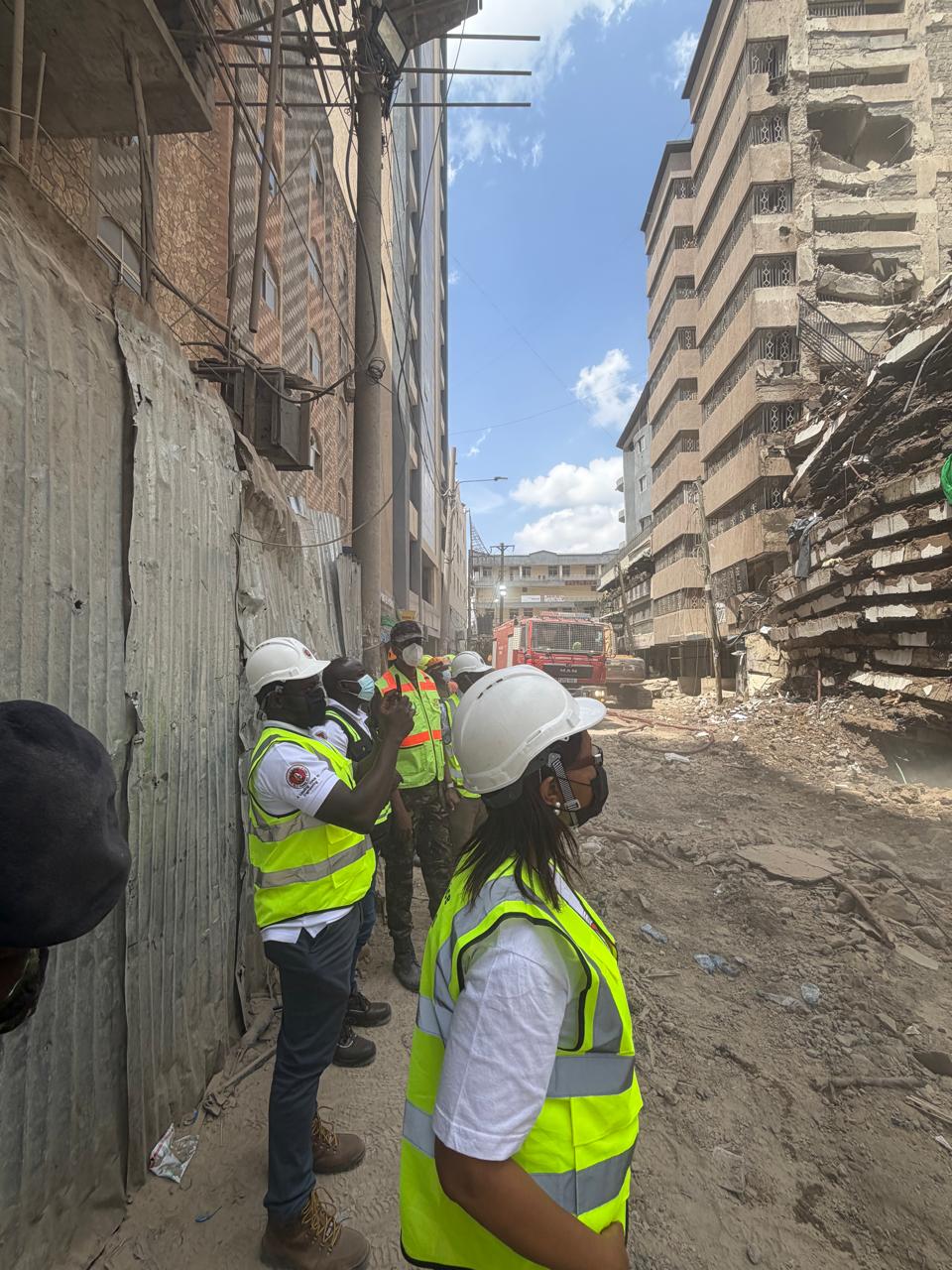
Professionals in safety gear assess the buildings next to the collapse, the kind of inspection that should happen at every stage of construction, not only after a disaster.
Civic Education
After we address industry regulations, we can move to the next step and ensure that the government, in partnership with various civic groups such as professional and student associations, participates in civic education. This civic education should be for the general community to empower them to recognize and call out unsafe practices when they notice them.
This is important as it was seen in the Eastleigh building. There were early signs that the building had structural issues, but only a few people addressed them. Had many people been well informed, they would have tried to prevent further construction work on the building and, hopefully, saved the community from injuries and casualties.
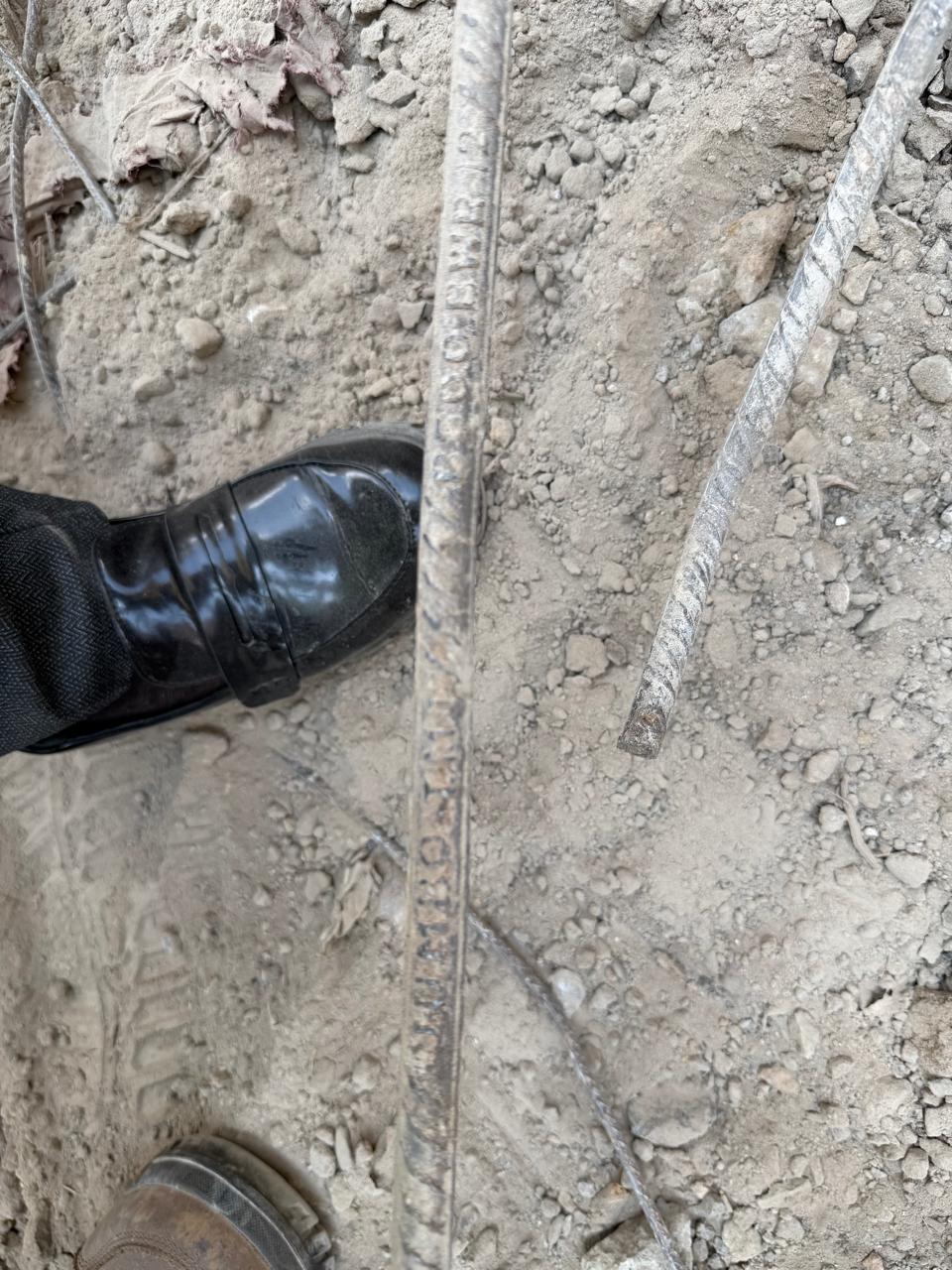
Steel bars recovered from the rubble. Once a collapse happens, the evidence that could explain it is already scattered.
Professionals
Finally, as professionals are regulated, there should be a mechanism to ensure that they undertake only as much work as they can confidently deliver at a single time. If one professional is in charge of more than forty sites, that is suspicious and should be addressed by the relevant authorities.
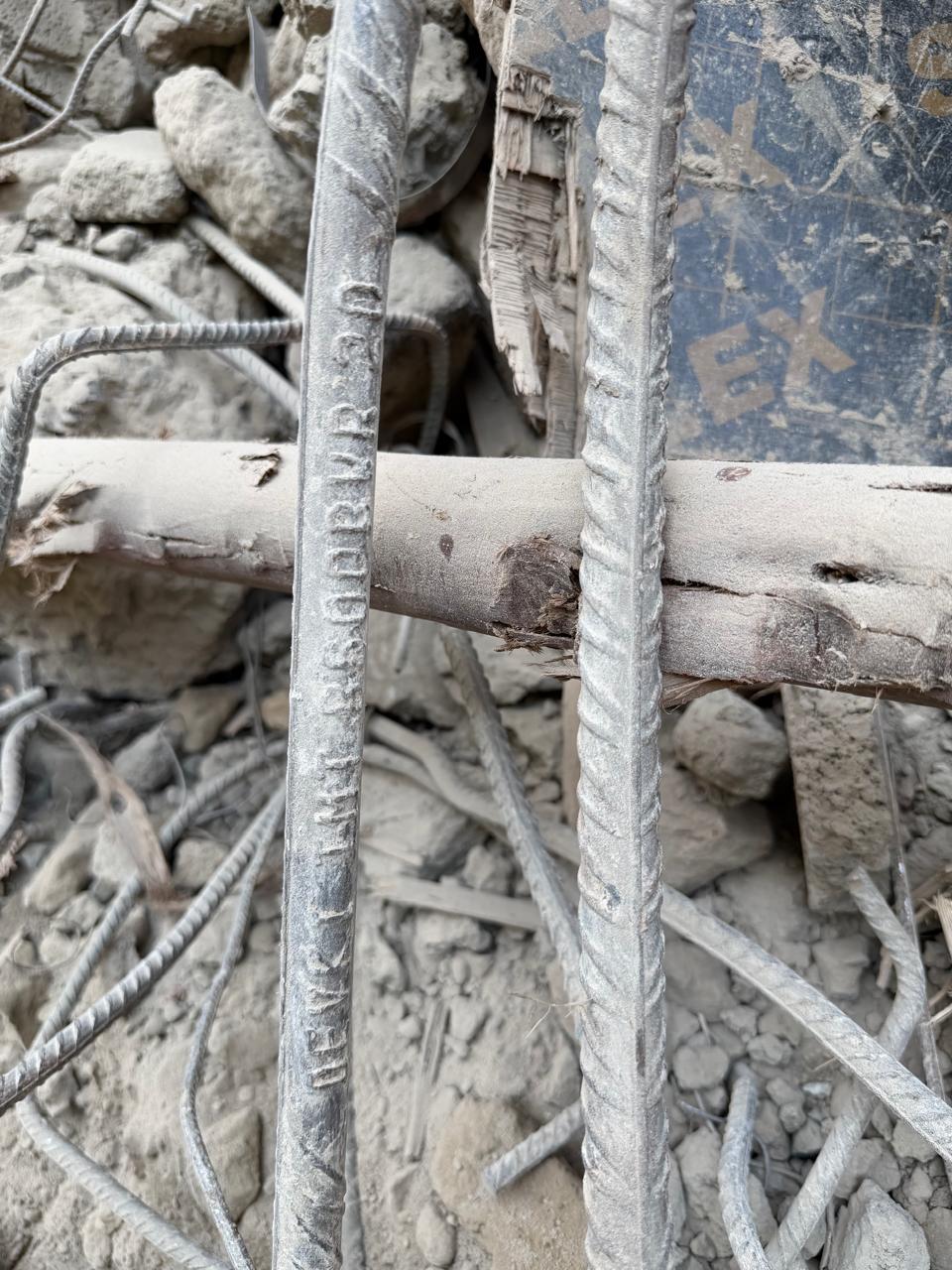
Reinforcement bars among the debris. Material quality, correct detailing and site supervision all determine whether a structure can carry its loads.
Conclusion
I hope the families that have yet to reconnect with their kin do so soon and find peace. Nevertheless, since there have been no changes in the Kenyan built environment, let's wait to see what the future holds. I hope for the best but expect the worst.
About the Author
El-Bethel Buyanzi is a Civil Engineering student at the Technical University of Kenya with an interest in the built environment, engineering, leadership, and professional development. He writes about his experiences, lessons, and observations as he prepares for a career in the built environment. Learn more about the author on his about page or subscribe to his newsletter.
Industry insights, monthly
Enjoyed this article?
Read more articles