What I Learned from Visiting Thika (Ndakaini) Dam as a Civil Engineering Student
Explore what I learned from visiting Thika (Ndakaini) Dam, Kenya's largest water supply reservoir for Nairobi. This civil engineering site visit covers dam engineering, water resources engineering, earth-fill dam safety, infrastructure management, and practical lessons every engineering student and infrastructure enthusiast can appreciate.
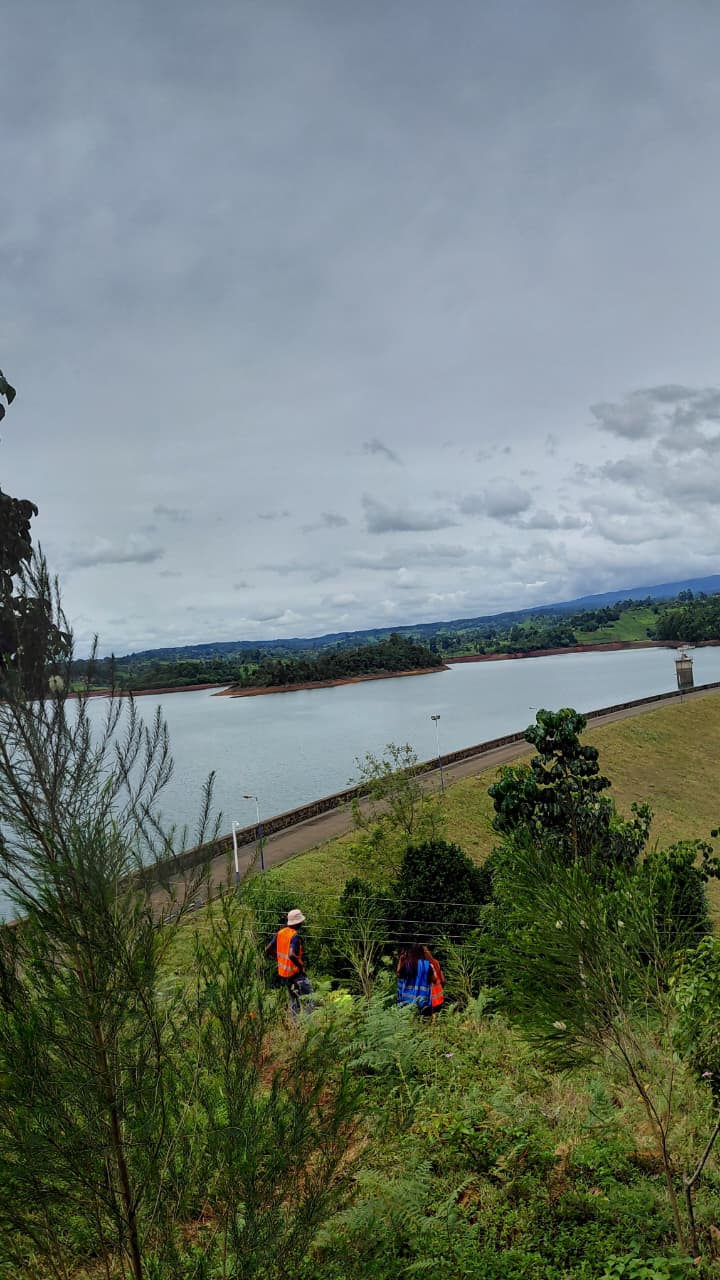
What I Learned from Visiting Thika (Ndakaini) Dam as a Civil Engineering Student
Introduction
Water reaches millions of homes in Nairobi every day, yet few people ever stop to consider the engineering behind that journey. Earlier this year, on 23rd February 2026, I had the opportunity to visit Thika Dam (Ndakaini Dam), the reservoir that supplies most of Nairobi's water. The visit offered valuable lessons on dam engineering, water resource management, and the importance of maintaining critical infrastructure.
The visit was organised through the AECAS Experiential Learning Series. AECAS (the Association of Engineering, Construction and Architecture Students of the Technical University of Kenya) promotes interdisciplinary collaboration and practical learning opportunities for students in the built environment.
| Thika Dam at a Glance | |
|---|---|
| Location | Murang'a County, Kenya |
| Also known as | Ndakaini Dam |
| Completed | 1994 |
| Dam type | Earth-fill dam |
| Primary purpose | Water supply |
| Supplies | Over 80% of Nairobi's piped water |
| Operator | Nairobi City Water and Sewerage Company |

Understanding Thika Dam
Construction of Thika Dam began in 1989 and was completed in 1994. The water is channelled into the reservoir primarily by Thika, Githika and Kayuyu rivers. Managed by the Nairobi City Water and Sewerage Company (NCWSC), Thika Dam supplies more than 80% of raw water for Nairobi's piped supply. Thika Dam is a piece of critical infrastructure necessary for the life of the city. It is due to this fact that entry to the dam's premises is regulated. After AECAS obtained approval from NCWSC, we were able to visit the facility.

Learning About Dam Safety
Our visit began with a briefing on the history of the dam and its role in Nairobi's water supply. The dam has a design life of approximately 100 years. A key aspect of operating the dam is regular visual and structural inspection. Because Thika Dam is an earth-fill dam, one of the primary engineering concerns is internal seepage. If left unchecked, seepage can gradually weaken the embankment, making continuous inspection and monitoring essential.
Critical water infrastructure such as Thika (Ndakaini) Dam is continuously monitored to ensure its efficient operation. Due to the reservoir's vast surface area, evaporation represents a significant source of water loss. Even a seemingly small reduction such as 5 mm in water level can translate into millions of litres of water lost. This illustrates how engineering decisions are highly dependent on scale. What appears insignificant on a small project can have enormous consequences in large infrastructure systems. The dam levels are logged daily to inform planning decisions.
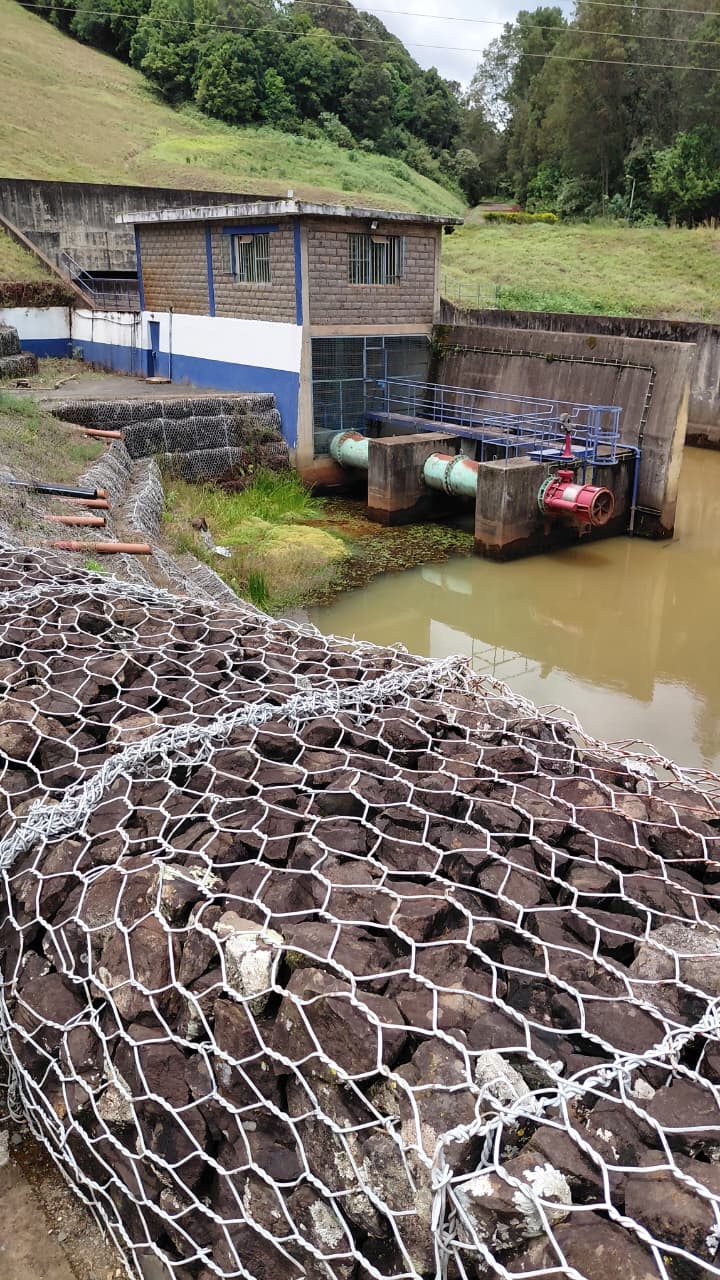
Walking Through the Inspection Gallery
One of the highlights of the visit was seeing engineering features that I had previously encountered only in textbooks, including the spillway, sluice gates, and the inspection gallery. Walking through the dimly lit inspection gallery beneath the embankment was one of the most memorable parts of the visit. It was fascinating to experience the scale and ingenuity of modern civil engineering firsthand.
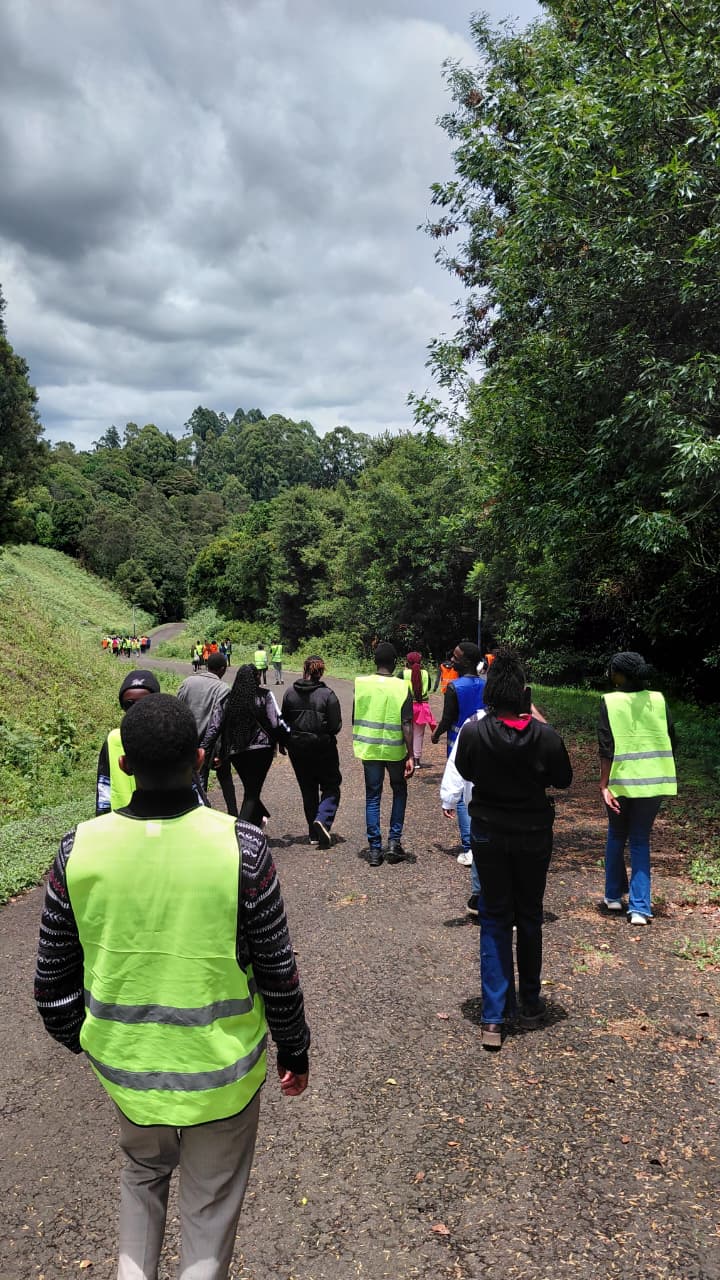
Engineering Beyond Concrete
Infrastructure development does not occur in isolation. Every major engineering project must balance technical requirements with environmental, social, and economic considerations. Great attention is given to addressing the needs of multiple stakeholders, key amongst them being the residents of the proposed project area. For Thika Dam this is a continuous task, in that enough water must continue flowing downstream to sustain communities and ecosystems.
The Economics of Infrastructure
As a civil engineering student, I learnt that large infrastructure projects must also be economically viable. This is reflected in the long design lives typically adopted for major water infrastructure, compared with many other forms of infrastructure such as buildings and roads. Thika Dam being a major infrastructure project of its time required a substantial capital investment. Its long operational life helps justify that investment by delivering reliable water supply over many decades.

Final Thoughts
Overall, the experience was insightful and reinforced many concepts that I had previously encountered only in textbooks. Before visiting Thika Dam, dams were simply diagrams in my lecture notes. Standing inside the inspection gallery and seeing the scale of the embankment transformed those drawings into real engineering systems. Seeing how an earth-fill dam supports Nairobi's water supply reminded me that every line on an engineering drawing eventually becomes critical infrastructure relied upon by millions of people.
For any civil engineering student, a site visit like this provides insights that cannot be gained from lectures alone. I am grateful to Nairobi City Water and Sewerage Company and AECAS for making this learning opportunity possible.
Enjoyed this article?
Read more articles