My Reflections After My TV47 Interview on World Youth Skills Day 2026
Reflecting on my TV47 interview during World Youth Skills Day 2026, I share my views on engineering education in Kenya, AI in engineering, graduate employability, and why stronger collaboration between universities, industry, and government is essential to empower young engineers and drive innovation.
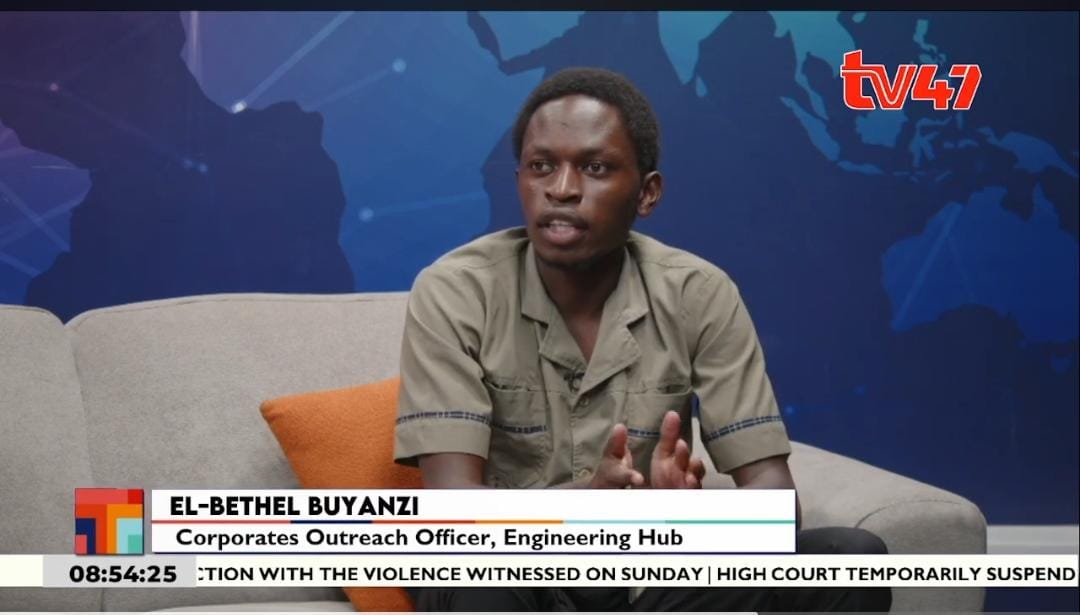
My Reflections After My TV47 Interview on World Youth Skills Day 2026
By El-Bethel Buyanzi · July 14, 2026
Tags: World Youth Skills Day, Engineering, Kenya, TV47, Engineering Hub, AECAS-TUK
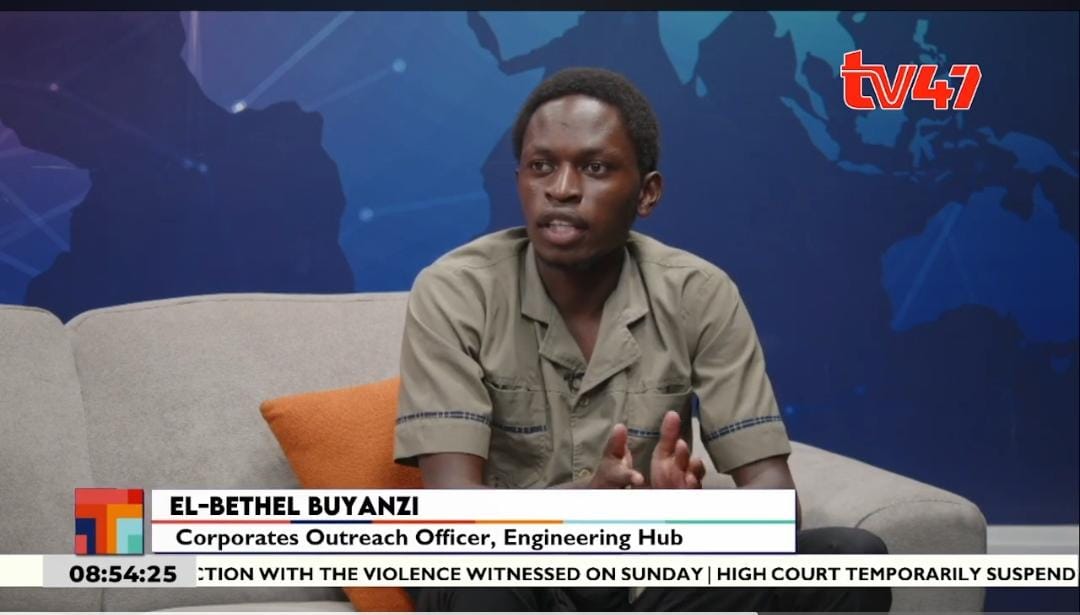
Appearing on TV47 during the World Youth Skills Day 2026 discussion was one of the most meaningful opportunities I have had as a civil engineering student in Kenya. Beyond representing myself, I had the chance to speak about issues that affect thousands of young engineers, innovators, and university students preparing to enter the workforce.
The discussion focused on a question that many graduates ask: Why is the transition from university to employment still so difficult despite years of education and training?
As someone studying civil engineering while actively working with industry partners, I have experienced both the opportunities and the challenges firsthand.
Engineering Skills Go Beyond the Construction Site
One point I was keen to emphasise during the discussion was that the definition of skills should extend beyond artisan trades. While technical and vocational education remains important, professional skills such as engineering design, structural analysis, project planning, communication, leadership, and digital engineering are equally valuable.
A modern civil engineer is expected to combine technical knowledge with problem-solving, collaboration, and the ability to use emerging technologies. These are skills that universities are increasingly developing, and they deserve greater recognition within Kenya's labour market.
AI is Transforming Engineering But Adoption Remains a Challenge
Through my role at Engineering Hub, I have witnessed how Artificial Intelligence (AI) is changing engineering practice.
We are developing cloud-based engineering tools that use verifiable AI systems to support professionals with engineering design, analysis, documentation, and quality control. These technologies demonstrate what is possible when innovation meets engineering expertise.
However, the experience has also highlighted a reality that many Kenyan innovators face. Building useful technology is only the beginning. Sustaining innovative products within a developing economy remains difficult, even when subscription costs are intentionally kept affordable.
Innovation not only thrives on ideas alone but also requires an ecosystem that supports adoption.

Is Kenya's Engineering Education Really the Problem?
Get engineering media in your inbox
A common narrative suggests that universities are producing graduates whose skills do not match industry needs.
My perspective is slightly different.
I do not believe engineering education in Kenya is fundamentally broken. The scientific principles, mathematics, design methodologies, and analytical thinking taught in university remain essential to professional engineering practice.
The bigger challenge is creating stronger links between academia and industry.
More career fairs, industrial collaborations, mentorship programmes, engineering site visits such as those hosted by the Association of Engineering, Construction and Architecture Students of the Technical University of Kenya (AECAS-TUK), internships, and partnerships with employers would help students understand how classroom concepts are applied in real engineering projects before graduation.
When universities and industry communicate effectively, graduates enter the workforce with greater confidence and employers gain professionals who are better prepared for practice.
We Should Stop Glorifying Suffering
One issue I felt particularly passionate about was the culture of "earning your place through suffering."
Every engineer understands the importance of gaining practical experience. However, practical learning should not mean dismissing the technical competencies graduates have spent years developing.
A civil engineering graduate should be trusted to contribute through engineering calculations, design, analysis, modelling, and project coordination from the beginning of their career while continuing to learn under experienced professionals.
Professional growth should be built on mentorship, responsibility, and continuous learning rather than unnecessary hardship.
Kenya's Youth Are Already Building Solutions
One encouraging aspect of the TV47 discussion was seeing how many young Kenyans are already creating solutions to national challenges.
From AI-powered engineering platforms to smart water management systems and digital civic engagement tools, innovation is happening across multiple sectors.
The challenge is rarely a lack of talent.
More often, it is the absence of supportive systems, transparent procurement processes, stronger public-private collaboration, and meaningful opportunities for young innovators to demonstrate what they can build.

Final Thoughts
Reflecting on my TV47 interview for World Youth Skills Day 2026, I left even more convinced that Kenya has an incredible generation of talented young professionals. Engineers, software developers, researchers, entrepreneurs, and innovators are already creating solutions that can improve infrastructure, public services, and economic development.
What we need is an environment that values innovation, strengthens collaboration between universities and industry, supports local technology, and gives graduates genuine opportunities to apply their knowledge.
I was grateful for the opportunity to contribute to this national conversation, and I hope discussions like these continue to inspire stronger partnerships between education, engineering, industry, and government.
The future of engineering in Kenya will not be built by one institution alone. It will be built through collaboration, innovation, and the willingness to invest in young professionals who are ready to solve real-world challenges.
Get engineering media in your inbox
Enjoyed this article?
Read more articles